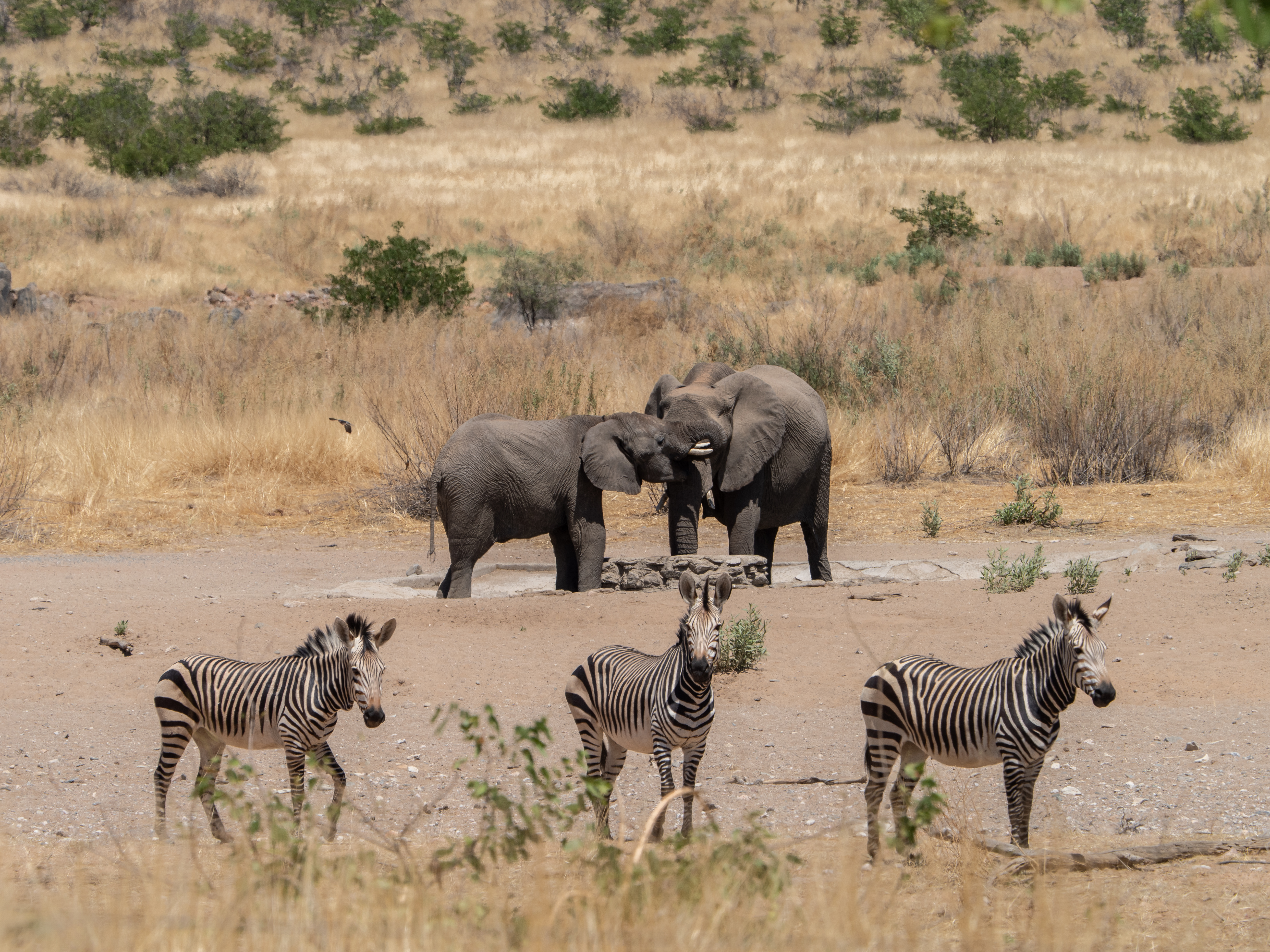
“As the heat of the day finally loosens its grip, I gaze out across the golden grasslands and the deep green trees that define Namibia’s wild heart.”
So begins John’s reflection after returning from the Woodlore Tracking Safari in Namibia with Ray Mears in November 2025 and in those first few words, you can already feel it. The stillness. The space. The scale.
“The setting sun melts into amber, crimson and burnt orange. Thunderheads gather — dark, towering, magnificent, releasing shimmering columns of rain into the distant plains. The “little rains” arrive like a quiet blessing after the long, unforgiving summer. The land seems to exhale, grateful for the cool relief after the long, unforgiving summer.”
In his remarkable new book, The Pine Marten: The Secret Life of Martes martes, published by Pelagic Publishing, wildlife author Dan Bagur shares the story of a five-year field study dedicated to one of Britain and Ireland’s most elusive mammals.
We spoke to Dan about obsession, fieldcraft, conservation, and what pine martens can teach us about reconnecting with the wild.
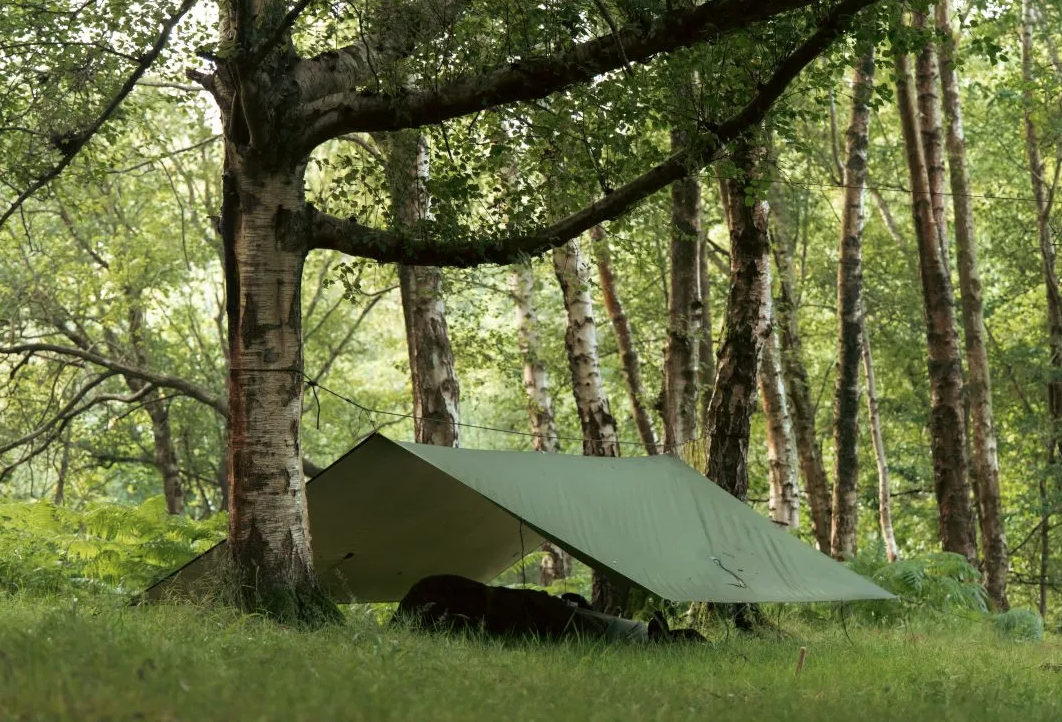
Whether you’re new to bushcraft or a seasoned hand, one thing that remains essential, is your clothing and equipment. A good bushcraft outfit earns its keep. Knives, tools, tarps, racksacks, clothing, and shelters all carry the marks of time spent outdoors, but if they’re properly cared for, they will be ready when the next season begins.
Now is the ideal time to repair, maintain, and reset your gear, rather than discovering problems once you’re already back in the woods. The Woodlore team has put together a practical guide to help you bring your clothing and equipment back into dependable working order. After all, learning bushcraft isn’t just about using your kit, but knowing how to care for and repair it too.





 The Ray Mears & Woodlore Bushcraft Blog