Introducing David
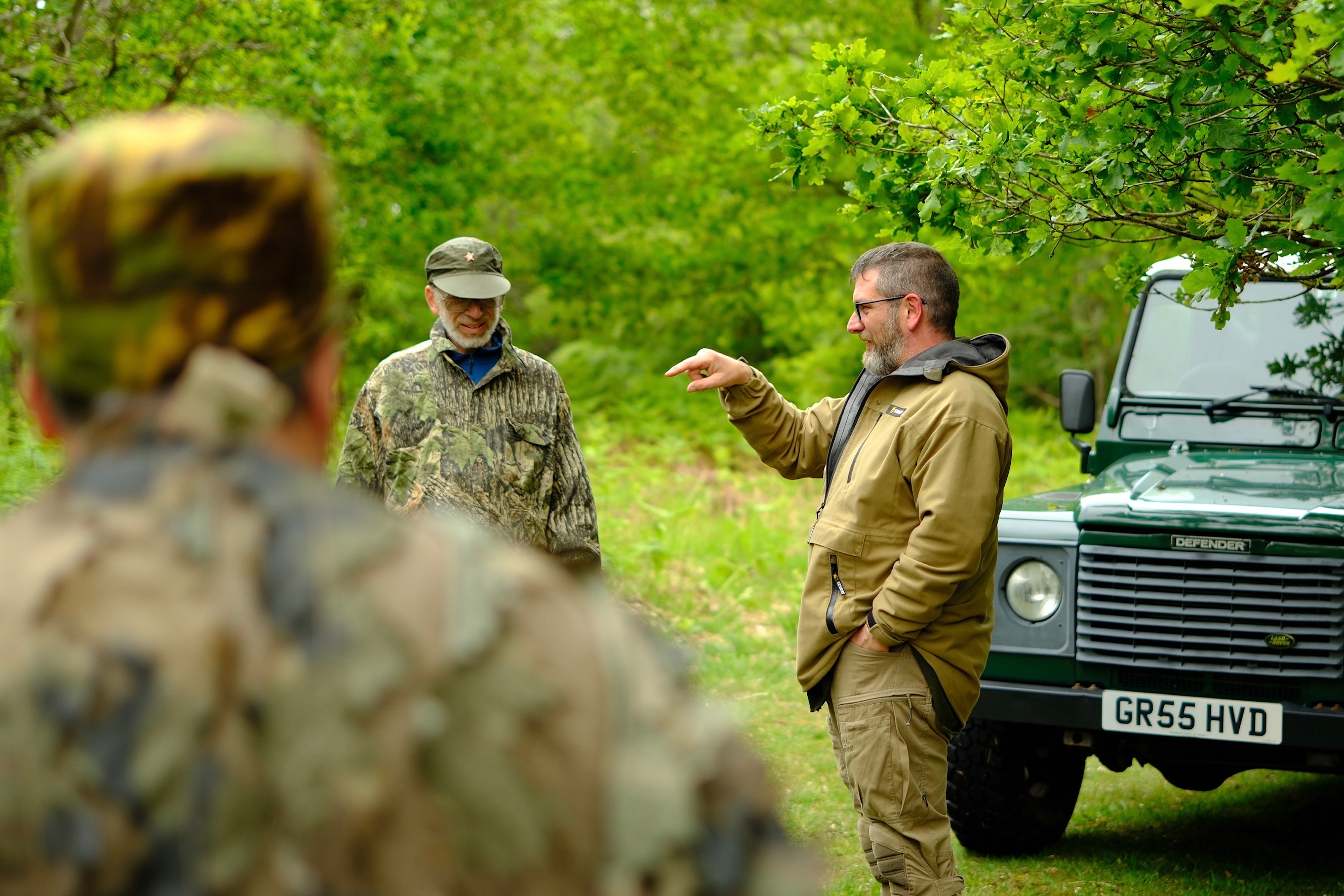
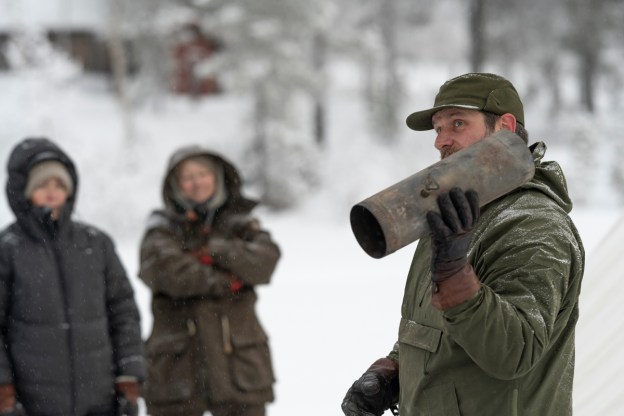
As part of our ongoing series introducing the Woodlore outdoor team, I recently sat down with David for a chat about his journey into bushcraft, his time with Woodlore, and what he enjoys most about teaching outdoor skills.
With a background that includes Army survival training, a long-standing interest in navigation, and a deep appreciation for the British countryside, he brings a thoughtful and encouraging approach to his teaching.
Lisa:
Hi David, it’s great to finally have the chance to sit down and get to know you a little better. We’ve met a few times in passing, but never really had a proper chat. I’ll admit I’ve had a read through your profile page on our website. You joined the Woodlore team in 2011 and became an Aspirant Instructor in 2017, so you’ve been involved with Woodlore for quite a while now. You must really love what you do?
David:
Yes, definitely. Absolutely, I do.
There’s a lot of variety, and I was very lucky to begin with because I could dedicate a lot of time to doing multiple courses. Back then, it was often back-to-back courses: Fundamentals, Juniors, Tracking, Camp Craft, Introduction weekends and Family courses.
It was a very busy time, and I was lucky to have joined when I did.
Lisa:
What first drew you to bushcraft and outdoor skills?
David:
I don’t really have the typical “grew up completely outdoorsy” story. I was a normal kid growing up in Wiltshire, which is quite rural, but primarily it was coming out of the Army and having done a few different survival courses in different environments.
Those were very military-based, and I’d now describe them as almost a shorthand version of what I understand bushcraft to be.
I knew of Ray at the time, and I knew he’d had a large hand in developing some of the skills and knowledge within military survival training. But I didn’t know about Woodlore as a school until a friend came across the website and pointed it out to me.
I came and did the Fundamental Bushcraft course in 2007, and that really changed how I went outdoors.
Before that, I was living in Plymouth and going out onto Dartmoor, navigating point to point, camping overnight and moving on again the next day. I enjoyed that, but the course made me see the wider world. It made me want to do more while I was out and enjoy more of the journey.
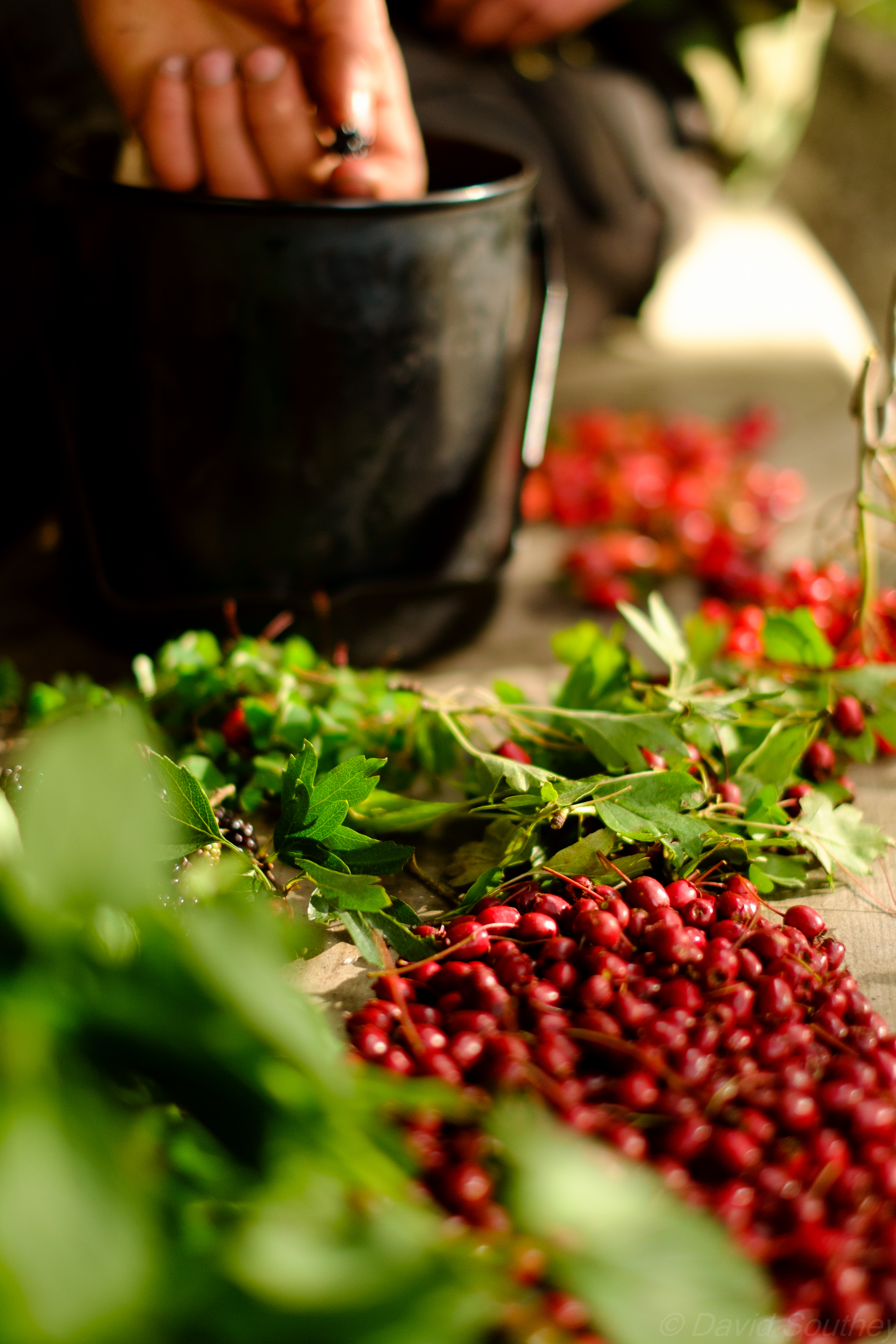
I gradually became interested in more subjects, tracking, carving, foraging, and understanding the relationships between plants, trees and fungi. It became this huge subject where there is an unlimited amount of knowledge, skill and experience to be had. My love really grew from there.
Lisa:
I read on your profile that your first lesson in navigation was with your father on Dartmoor. Do you remember much about that?
David:
Yes, absolutely.
It was out the back of Okehampton Camp. Anyone who has been in the forces, cadets, or taken part in Ten Tors will probably know the area. As you go onto the training area behind the camp, there are quite a few tracks. You end up in an area enclosed by tracks, large enough to practise micro-navigation, but safe enough that if you go wrong, you’ll hit a track.
My dad used to be an adult instructor in the cadets and in the TA, and that was where he took me.
Looking back, I think the important lesson was not just navigation. It was being able to feel as if you were in a wild place, while still being in a safe environment. If you went wrong, someone could set you back on the right path.
I think of it as giving someone the ability to fail in safety. They can get something badly wrong, but it’s not going to be dangerous. Someone is there to say, “What did you do wrong? Let’s talk about it. How are we going to put that right?”
That was probably the bigger lesson.
Lisa:
That idea of being able to fail safely feels important, especially when people are learning something outdoors.
David:
It is. You’re not going to die, but you do have to figure it out.
I love navigation exercises because you plan them, do as much preparation as you can, then lay them out for other people to do. But as with all plans, no plan survives first contact with the ground.
It’s one thing navigating in a big open area where you’ve got a clear feature to take a bearing from. But when you’re tucked away in the woods and navigating at a micro level, people really have to start switching on and focusing on the environment around them.
Lisa:
Being based at HQ, I often hear snippets about courses, kit and skills, and sometimes I find myself asking whether something I’ve heard is actually true. When I mentioned a few of those familiar outdoor sayings, you talked about the importance of critical thinking — of testing things rather than simply accepting them. Is that an important part of learning bushcraft?
David:
Absolutely.
You have to temper knowledge with a bit of critical thinking. Pull things apart. Never take something as rote.
There’s a lot of knowledge out there about bushcraft and all the subjects that sit around it, hunting, field craft, mountain craft, canoeing, travelling, all sorts. But you have to look at it and ask: is this relevant? Is it achievable? Is it applicable? Is it safe?
There is also a lot of noise out there. With radios, you get signal and noise. Signal is the information. That’s what you want. Noise is the guff around it.
So, it’s always good to pull something apart and think about it.
Lisa:
Your time in the Army took you into different environments. How did those experiences shape the way you approach being outdoors?
David:
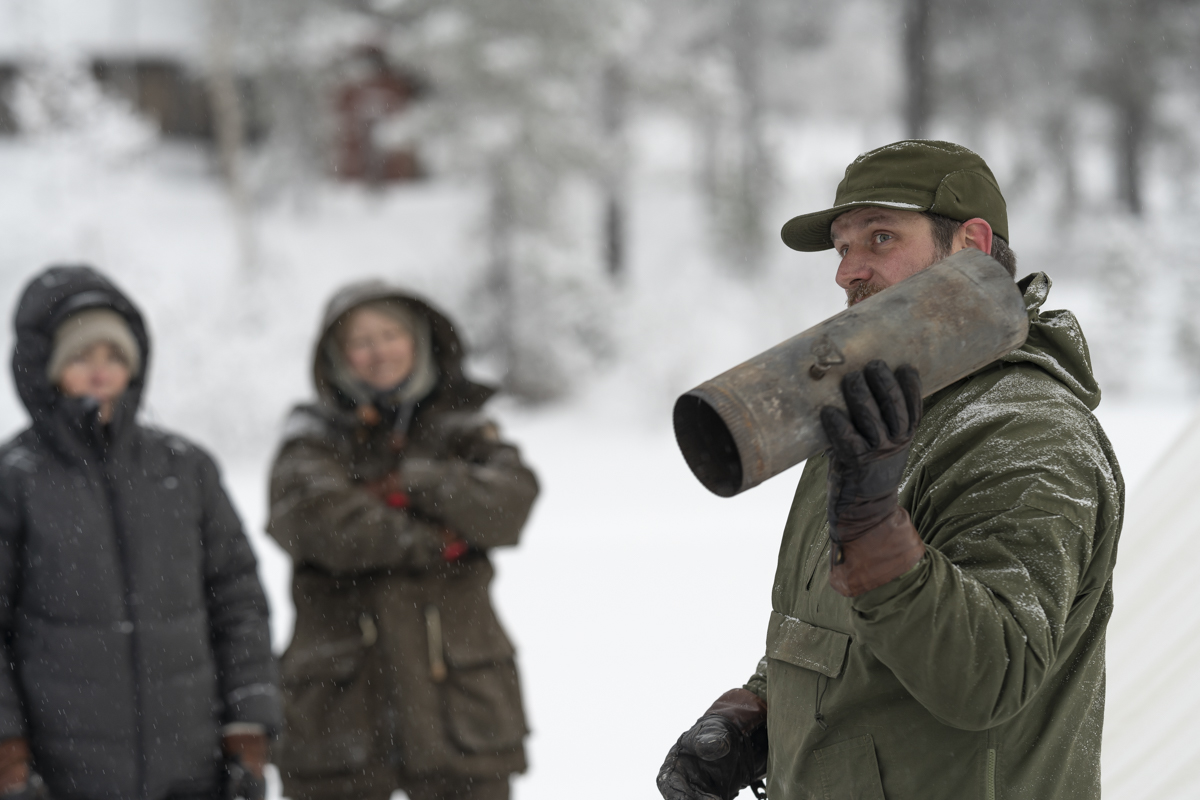
I suppose it taught me to think more, and to take on board what the environment can offer you, but also what it can take from you.
You can’t just turn up with the same kit you’d use in an arid place as you would in a cold place. Certain skills and pieces of kit transfer across, but there are always new skills to learn, new knowledge to understand and new kit to use.
My biggest problem is sunburn. I burn like a crisp packet in a microwave, so I have to be really on top of my game in sunny environments. But that doesn’t just mean hot places. It can also mean cold places, because the UV reflects off snow as well.
Once you’re burnt, you’re having a painful day, and it affects everything else. So, you have to think about the little things that enable you to operate staying hydrated, relaxing, talking to people who have been there, and getting local knowledge.
Local knowledge is king. You still have to take it on board critically and ask whether it’s relevant to what you’re doing, but it can be invaluable.
Lisa:
Taking us back to where this all started, what made you book that first course in 2007?
David:
Interest, really.
A friend pointed out that Ray Mears had a school and that there were courses you could go and do. I thought, “Yes, I want to go and do that. This looks like my cup of tea.”
I was pleasantly surprised by the other students on the course. I think I expected it to be more like a military course, or like some ex-military survival training providers, quite blokey and male dominated. But it wasn’t at all.
It was a very friendly, patient, gentle course. And I think that’s how you welcome people into the outdoors.
There was a chap on my course who spent all his time working in a basement on servers, and it was the first time he’d really been outdoors in about 15 years. For him, it was a massive step.
For me, it felt huge because it was a totally different subject matter. I loved it.
Lisa:
Was there a particular part of that course that really stayed with you?
David:
The fire lighting fascinated me initially. It was hard, really hard, because it was ways of lighting fires that I’d never done before.
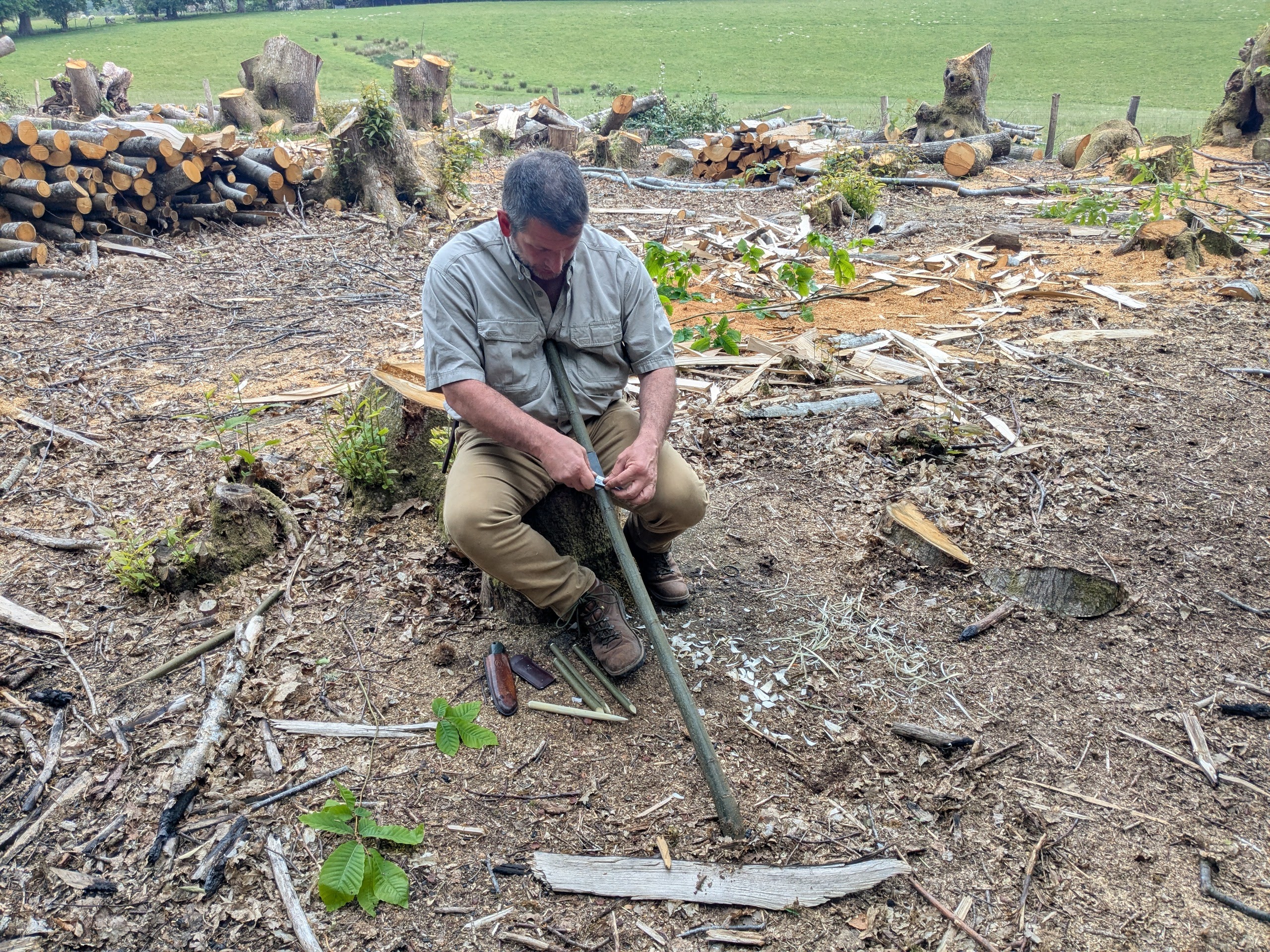
Then, through doing the feather stick fire lesson, I realised I needed to learn how to sharpen a knife. You learn to sharpen your knife, and then you realise how amazing using a sharp knife is.
Trying to carve anything with a knife that isn’t sharp is dangerous and an absolute nightmare. Nothing works how you imagine it should. You don’t get nice shavings, straight edges or crisp cuts. The knife slips, everything takes more effort, and nothing is neat and tidy.
Then the first time you get your knife sharp and do a long planing cut, it’s pure magic. Suddenly you feel like you can make things and create.
You can make fire, and you can create things. It’s lovely.
The biggest change from the course, though, was the breadth of the subject. It was mind-blowing. It opened up so many avenues of interest to take away with me. I wanted to know why one wood was better for splitting boards than another and then go away and try it.
My garden was just covered in split wood.
Lisa:
It sounds like you were an enthusiastic student. When you’re teaching students, what are the moments you enjoy most?
David:
It might sound a bit strange, but I like the moments when someone fails.
That’s when you see what someone is made of.
Say someone is carving a spoon, and they haven’t got a stop cut quite right. They cut in the wrong direction and knock the side of the bowl off the spoon. Suddenly, all that work is ruined.
In that moment, you might see someone sit back, throw it in the fire, have a word with themselves, maybe make a cup of tea, then pick up another piece of wood and start again.
The best lessons are always from failing. Failure is the biggest teacher there is. You can tell someone how to do something, and you can show them, but because you can’t operate their hands, they have to get things wrong to understand what went wrong.
You see it across all the subjects. Something goes seemingly terribly wrong and feels like an insurmountable problem, and then it takes a bit of thinking, patience, figuring it out, and getting on with it.
Very few people come on a course and give up. The majority either need a bit of advice to get back on the straight and narrow, or they figure it out and carry on.
Lisa:
For someone who is nervous about booking their first course, what would your advice be?
David:
Every adventure starts with that first step, doesn’t it?
Whether it’s going out the door, packing a bag, picking up the phone, or booking online, there has to be that moment of, “I’m going to do this.”
That moment is a real point of strength and confidence. People should take that forward, the fact that they decided to do something.
Anyone can do it. We’ve had the most amazing breadth of students on courses.
On the Fundamental course, we once had a student turn up with a blue builder’s tarp, a metal mug and the clothes he was standing up in. His partner had said, “You’re going on a survival course, here’s what I think you need.”
And he had a fantastic week.
Everything he learned on the course meant he could improve what he had. We taught knots, so he had better knots. We showed him how to set up the tarp and how to live under it, so he had a comfortable space. We taught fires, so then he had warmth and was cooking in the evenings.
There’s no single type of person who comes on a Woodlore course. No particular age, background or level of experience. Whoever comes on the course, we enjoy teaching them.
So, I’d say come along with a sense of adventure and be a bit waterproof in the mind. We’re an island nation, and the weather is what it is. We don’t change what we do just because it’s raining.
There’s no reason anyone should feel nervous. We’ll look after them and teach them what they need to know.
Lisa:
In my previous interview with Wayne, I asked him about what his little outdoor luxury was. Is there a piece of kit, or a small outdoor comfort, that you really appreciate?
David:
I’m trying to steer away from the obvious things like a good sharp knife and a strong axe.
I suppose, luxury-wise, it would be a book.
Before I had a Kindle, and before you could read books on your phone, it would have been a physical book. I do enjoy reading. Something to transport me away for a bit. It could be fiction, or it could be some kind of manual. I very much enjoy reading, learning something, a bit of history or a new fact.
Books are magic in themselves. Wherever you are, on a train, at home, in the woods, in a hotel, travelling, on a plane, or sat in a car broken down at the side of the road, if you’ve got a book, you can take yourself out of that situation.
Although sometimes you get annoyed because you’ve taken a bad book with you.
Lisa:
What do you hope students take away from their time on a Woodlore course?
David:
A little bit of self-confidence.
Even if they take away a lot and become amazing at the skills, that’s great, but it’s rare to become truly skilled in a week. We can’t teach someone to be a craftsman in a week, but we can set them on the right path to practise.
More importantly, I hope people take away a little bit of self-confidence to go and try things, to learn, to get outdoors, and to look at the world. Spend time in local woods or on local footpaths. Try a few things they’ve learned on the course.
Whether they come back on another course, which would be fantastic, or whether it spurs them on to travel or learn elsewhere, I think that bit of confidence is important.
On the Fundamental course especially, you see a big change from day one to the last day. People realise they can achieve a lot.
My goal is that they could go travelling and not have to hand responsibility for their wellbeing to someone else. If they needed to, they could provide themselves with water, warmth from a fire, cook some food, put up a shelter, and take a moment to plan.
All of that stems from a bit of self-confidence.
Lisa:
For anyone who might be meeting you on a course this year, what would you say to them?
David:
That is a tricky one. I suppose it would be a nice handshake, a look in the eye, and “come and have a cup of tea.”
Lisa:
The great morale booster.
David:
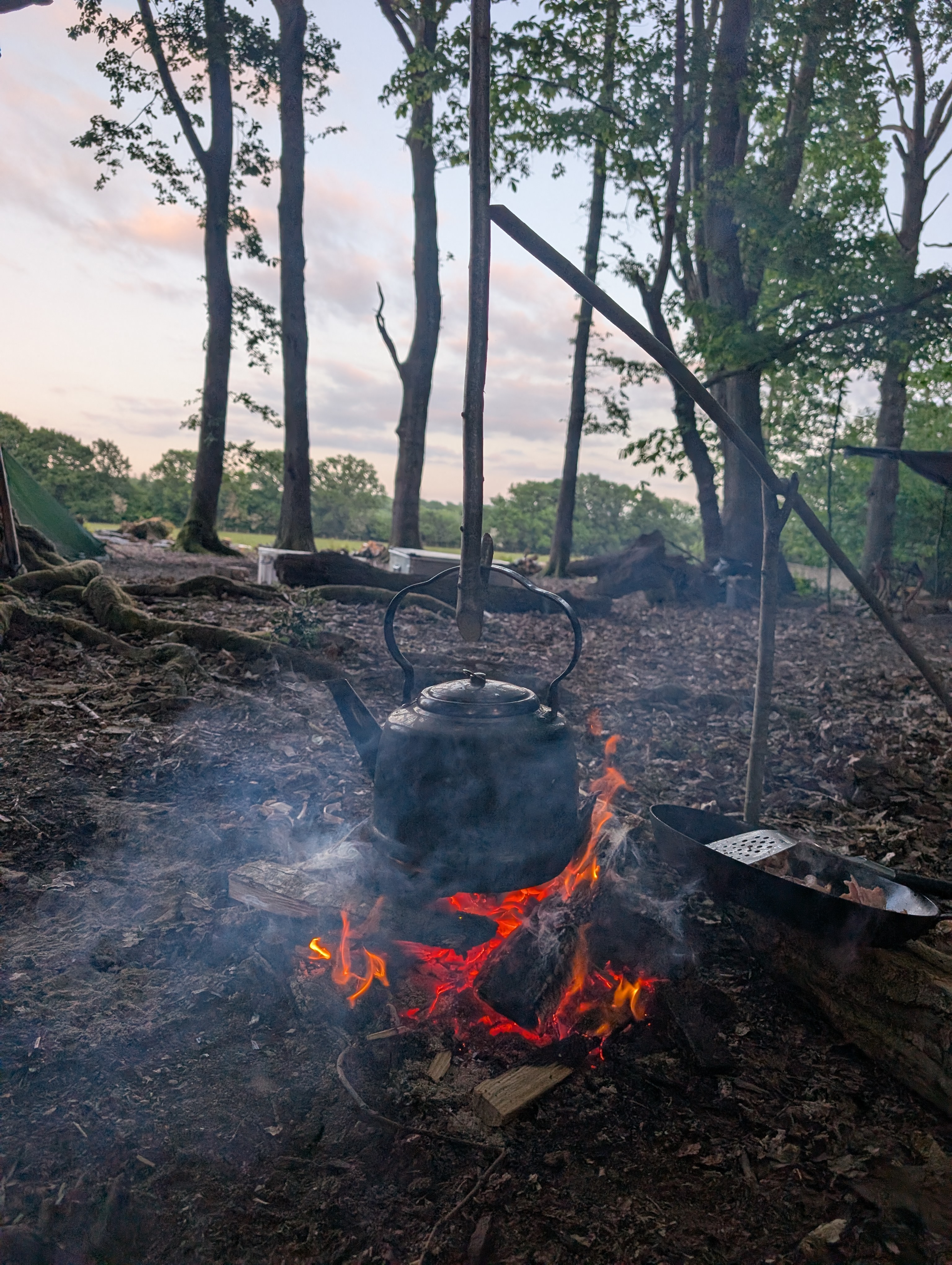
You also know that someone understands what it is to be outdoors and make tea, because you can’t make tea without good water.
If you’ve got bad water, you make coffee, because coffee is coffee wherever you make it. But you can only make tea with good water.
That’s not knowledge, just my opinion. But I think with tea, you have to have good water, otherwise it’s awful.
Lisa:
I’ll make note of that. For anyone joining a Woodlore course with you, expect a warm welcome, plenty of knowledge, and quite possibly a cup of tea. Thank you so much for your time, David.
David:
No problem. Thanks very much.
David has already been out with students this season, leading our popular Woodlore Tracking Course and helping them look more closely at the signs and stories found in the landscape.
Those who have secured a place on our extremely popular Camp Craft course will have the next opportunity to meet him. For anyone joining David on a course, his parting words feel like the perfect introduction: a handshake, a warm welcome, and quite possibly, a cup of tea.
I will admit, I am curious about the tea. Perhaps someone can report back to me on that?