“As the heat of the day finally loosens its grip, I gaze out across the golden grasslands and the deep green trees that define Namibia’s wild heart.”
So begins John’s reflection after returning from the Woodlore Tracking Safari in Namibia with Ray Mears in November 2025 and in those first few words, you can already feel it. The stillness. The space. The scale.
“The setting sun melts into amber, crimson and burnt orange. Thunderheads gather — dark, towering, magnificent, releasing shimmering columns of rain into the distant plains. The “little rains” arrive like a quiet blessing after the long, unforgiving summer. The land seems to exhale, grateful for the cool relief after the long, unforgiving summer.”
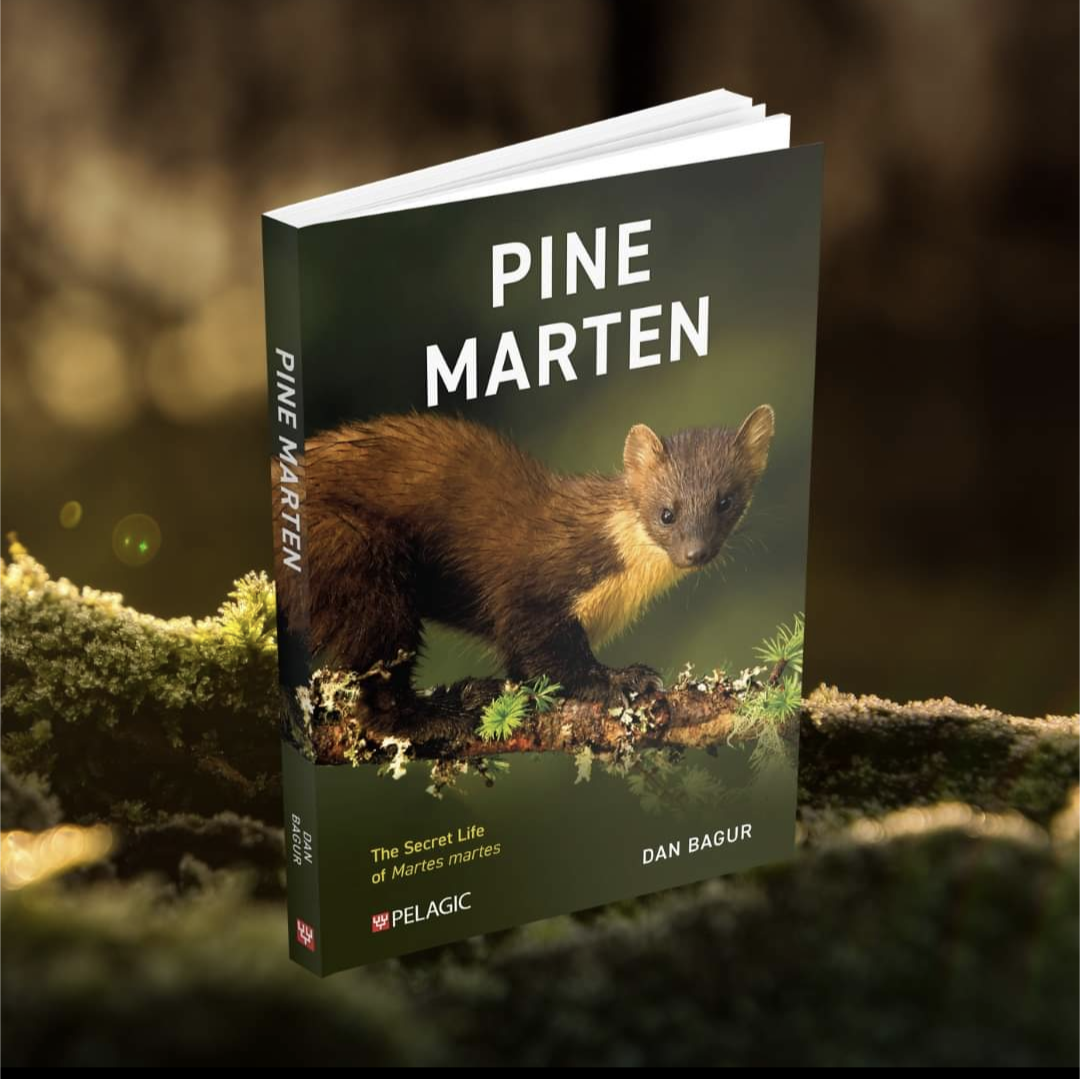
In his remarkable new book, The Pine Marten: The Secret Life of Martes martes, published by Pelagic Publishing, wildlife author Dan Bagur shares the story of a five-year field study dedicated to one of Britain and Ireland’s most elusive mammals.
We spoke to Dan about obsession, fieldcraft, conservation, and what pine martens can teach us about reconnecting with the wild.
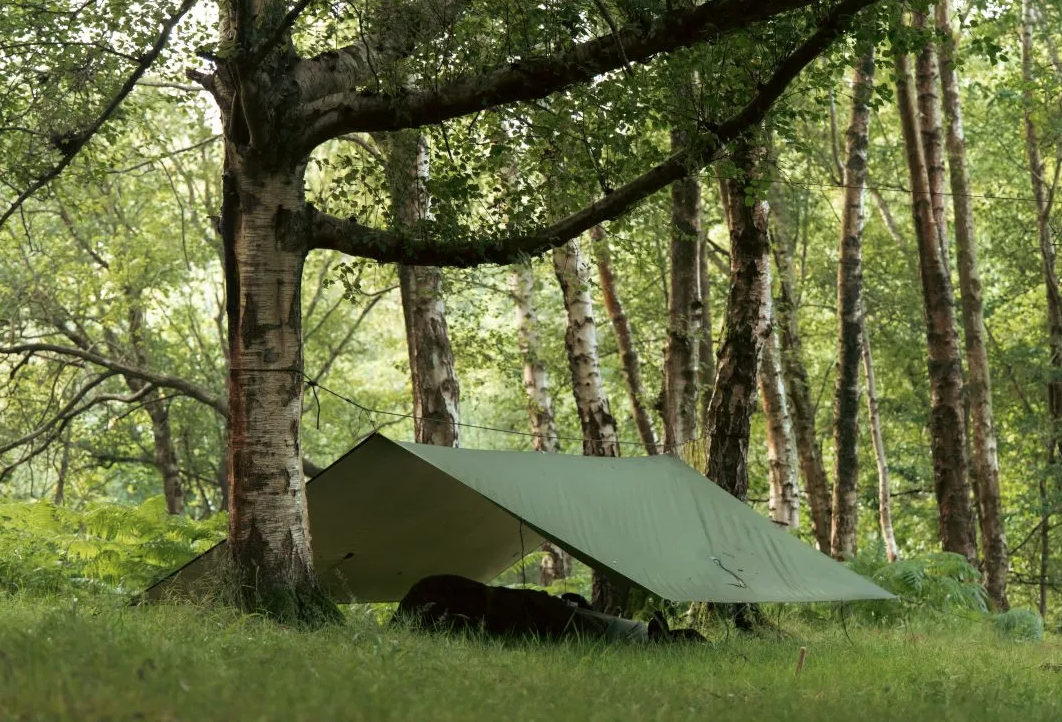
Whether you’re new to bushcraft or a seasoned hand, one thing that remains essential, is your clothing and equipment. A good bushcraft outfit earns its keep. Knives, tools, tarps, racksacks, clothing, and shelters all carry the marks of time spent outdoors, but if they’re properly cared for, they will be ready when the next season begins.
Now is the ideal time to repair, maintain, and reset your gear, rather than discovering problems once you’re already back in the woods. The Woodlore team has put together a practical guide to help you bring your clothing and equipment back into dependable working order. After all, learning bushcraft isn’t just about using your kit, but knowing how to care for and repair it too.
Dear friends, customers, and fellow explorers, as we reach the close of another remarkable year, I want to offer my heartfelt thanks for your support, enthusiasm, and curiosity about the natural world. Whether you joined us on a course, equipped yourself for new adventures, or simply followed our journey from afar, your connection to Woodlore, the school I founded all those years ago, remains at the heart of everything we do.
This exciting canoeing expedition in southern France takes place in the dramatic Ardèche Gorge,a place of awe-inspiring natural beauty, largely untouched since prehistoric times.
Join Ray Mears, along with expert local instructors Blue and Caroline, from Adventure Ardèche to learn to navigate the river, read the water, experience the adrenaline of Whitewater canoeing and enjoy a final descent of the gorge.
If you would like an insight into what happens in the Woodlore camp during our courses take a look at our video from the Introduction to Bushcraft course….
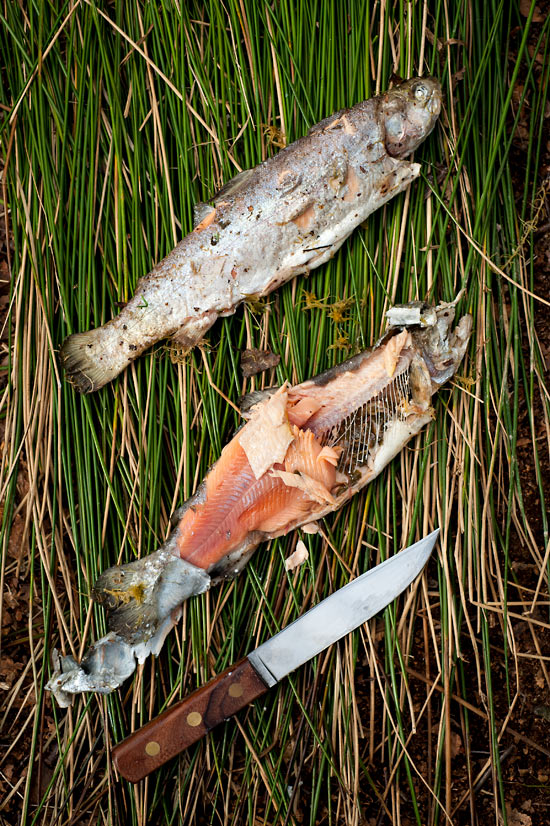
In this edition of our outdoor cooking guides we focus on the method of steaming your food between two layers of moss. While not often seen, this technique happens to be one of the simplest ways of cooking in the outdoors, particularly with fish. It requires very little in the way of utensils or equipment (which also means minimal washing up), and is very hygienic.
To us though, the greatest benefit of using this method is the way that it leaves you feeling truly immersed in the outdoors. The act of reeling in a fresh catch and cooking it just minutes later over the campfire, using little more than the materials nature provides us with, gives a profound feeling of self reliance and respect for nature that is hard to match.
This particular dish requires just two ingredients – trout and wood sorrel, the latter being a very pleasant stuffing when working with fish. In order to cook this meal, you must first prepare a hot fire with a good bed of embers, preferably of oak.
When we hunt for our own food, we can rest assured that the animal has led a free and natural life, that has come to an instant and humane end. Deer have been hunted in the woodlands of Britain for thousands of years and, as such, their meat forms a very natural part of our diets.
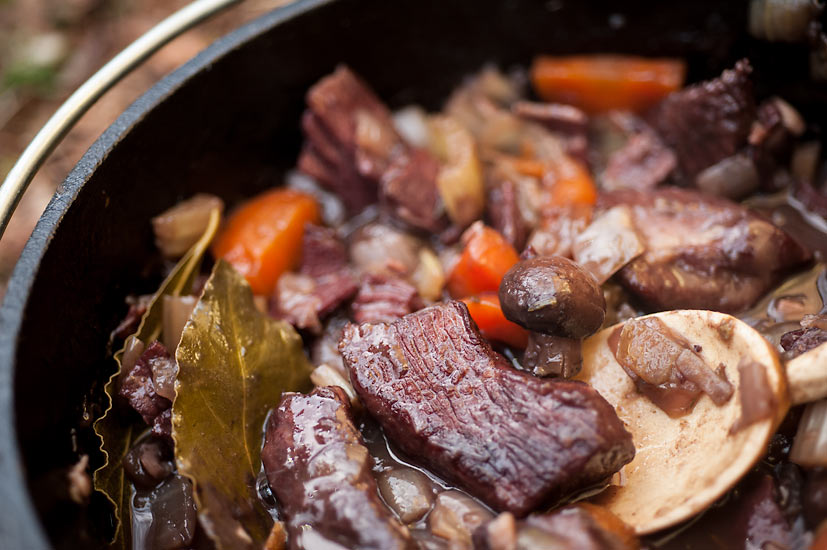
Venison is one of the leanest and healthiest of red meats, and a casserole provides a great way of cooking it outdoors. The Hunter’s Stew is a hearty, warming meal that is perfect for the cold evenings of winter and early spring. The dish shown here was cooked in a small Dutch Oven suspended over the fire, and served two people.
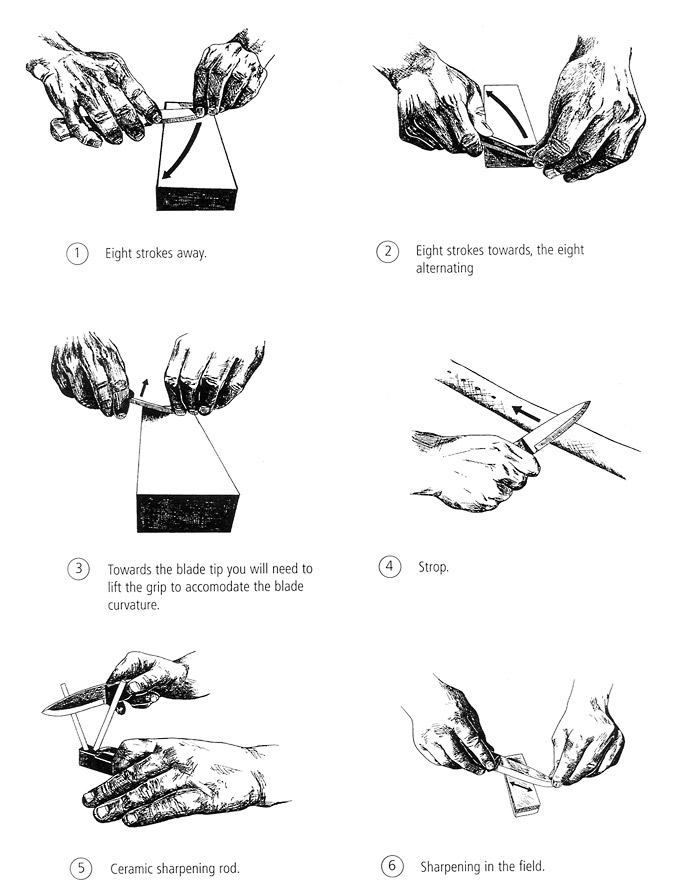
Keeping your tools sharp is important for several reasons. Not only does a sharp tool make carving one of the greatest joys of bushcraft, it is also safer. When working with a blunt tool you have to exert more pressure; this increases the chance of a slip and means that any ensuing cut will be more severe. As such, the ability to sharpen your tools to a razor’s edge is an essential skill. This classic clip from the Bushcraft Survival days shows Ray’s preferred method for sharpening his knives whilst at camp:
In addition to the above video guide, we’ve also included Ray’s written guide below, taken from Essential Bushcraft:
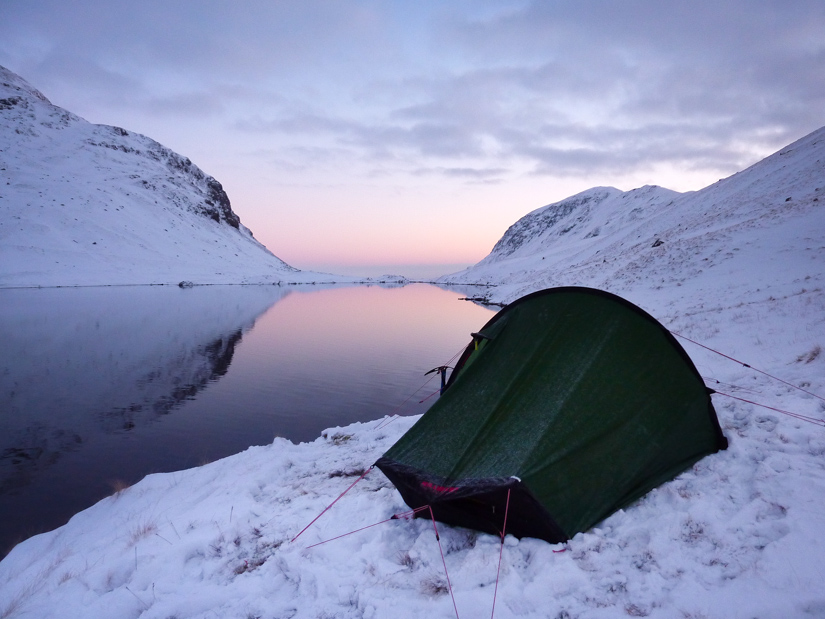
It’s all too easy to slip into hibernation mode at this time of year, especially if you’re fortunate enough to have a decent log fire roaring away at home. But we shouldn’t forget the unique experiences that winter camping has to offer us all, as fellow Woodlorean Garry Dutfield shows us here.
Garry recently spent three days hiking and lightweight camping in the snow-covered hills of the Lake District, pitching his Hilleberg Akto Tent in a superbly picturesque spot beside Grisedale Tarn. Continue reading →












 The Ray Mears & Woodlore Bushcraft Blog