Keeping your knives and axes sharp is important for several reasons. Not only does a sharp tool make carving one of the greatest joys of bushcraft, it is also safer. When working with a blunt knife or axe you have to exert more pressure; this increases the chance of a slip and means that any ensuing cut will be more severe. As such, the ability to sharpen your tools to a razor’s edge is an essential skill. This classic clip from the Bushcraft Survival days shows Ray’s preferred method for sharpening his axe whilst at camp:
Category Archives: Bushcraft Tips & Guides
How to Cook Outdoors: Hunter’s Stew
When we hunt for our own food, we can rest assured that the animal has led a free and natural life, that has come to an instant and humane end. Deer have been hunted in the woodlands of Britain for thousands of years and, as such, their meat forms a very natural part of our diets.
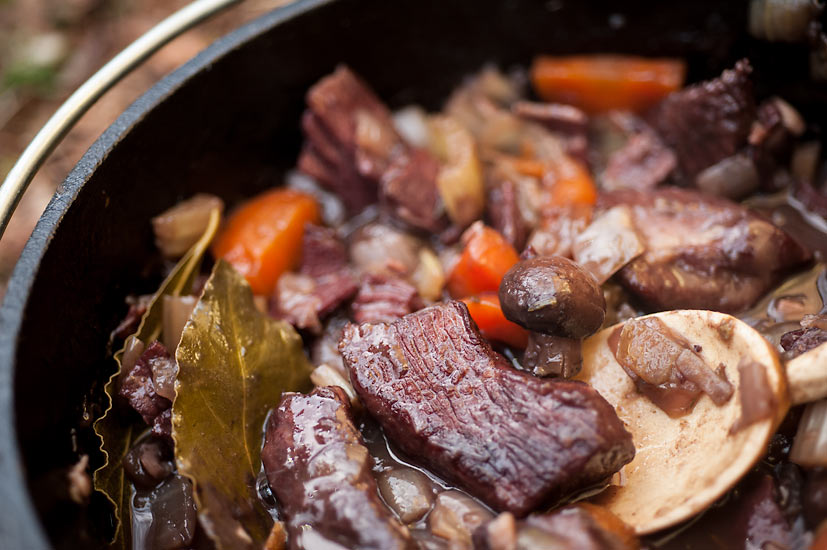
Venison is one of the leanest and healthiest of red meats, and a casserole provides a great way of cooking it outdoors. The Hunter’s Stew is a hearty, warming meal that is perfect for the cold evenings of winter and early spring. The dish shown here was cooked in a small Dutch Oven suspended over the fire, and served two people.
Ingredients:
- 2 x small venison steaks
- 1 x handful of flour
- 1 x knob of butter
- 1 x large onion
- 2 x cloves of garlic
- 6 x rashers of bacon
- 1 x handful of mushrooms
- 2 x sticks of celery
- 2 x carrots
- 1/2 bulb of fennel
- 1/2 bottle of Merlot
- 2 x bay leaves
- 1 x sprig of thyme
- 1 x tablespoon of honey
How to Sharpen a Knife at Camp
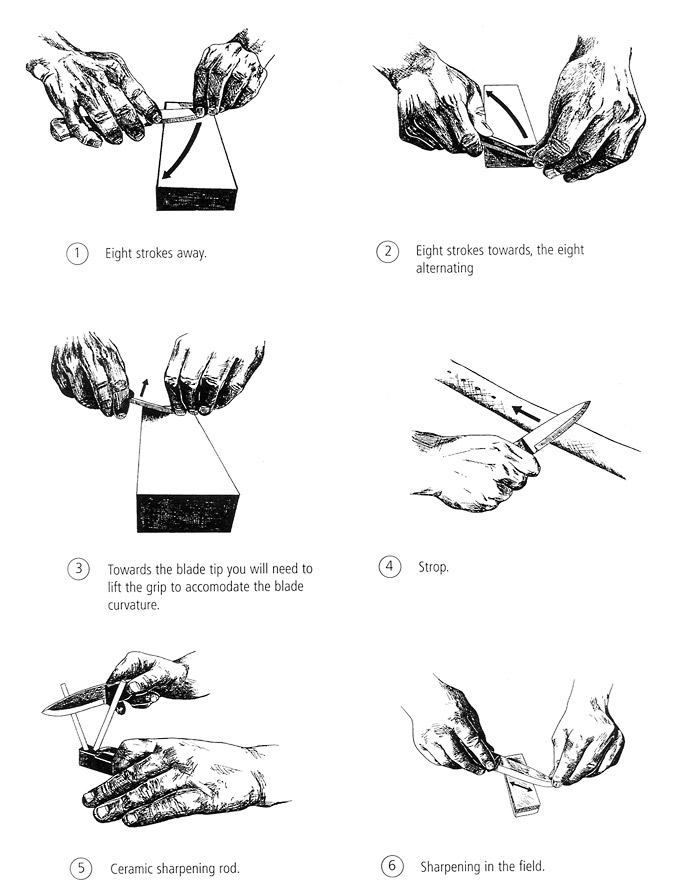
Keeping your tools sharp is important for several reasons. Not only does a sharp tool make carving one of the greatest joys of bushcraft, it is also safer. When working with a blunt tool you have to exert more pressure; this increases the chance of a slip and means that any ensuing cut will be more severe. As such, the ability to sharpen your tools to a razor’s edge is an essential skill. This classic clip from the Bushcraft Survival days shows Ray’s preferred method for sharpening his knives whilst at camp:
In addition to the above video guide, we’ve also included Ray’s written guide below, taken from Essential Bushcraft:
October Delights – The Best Month for Foraging
The following post was written by Woodlore Senior Assistant, Mark Booton:
If you were to ask me what my favourite month is, I’d answer October without hesitation. The reason for this could be one of a number of things: It was the month I met my wife – we always go away for an October half term break – and I also look forward to the Woodlore end of season staff barbecue. These, though, aren’t the real reasons. I love October for one above all others – foraging.
I simply love to forage for wild fungi, and October never lets you down. September can be amazing, but it is a fickle month on the foraging calendar. It blows hot and cold. A late autumn and September can produce little. November can be good, but the enjoyment is always slightly tarnished because all too soon it will be over. October is the month.
Meddling with Medlars
The following post was written by Woodlore Aspirant Instructor Sarah Day:
This year has been a good one for many fruits (and fungi) – bumper crops of blackberries, apples and wild plums have been gathered in profusion by all who keep a keen eye on the hedgerows. I have recently tried parasol mushrooms (pictured below). Again, it seems to have been a bumper year for these, and I’ve cooked them up with wild sweet chestnuts and rice. Rice cooked with a little prepared acorn meal is another wild food recipe I can heartily recommend.
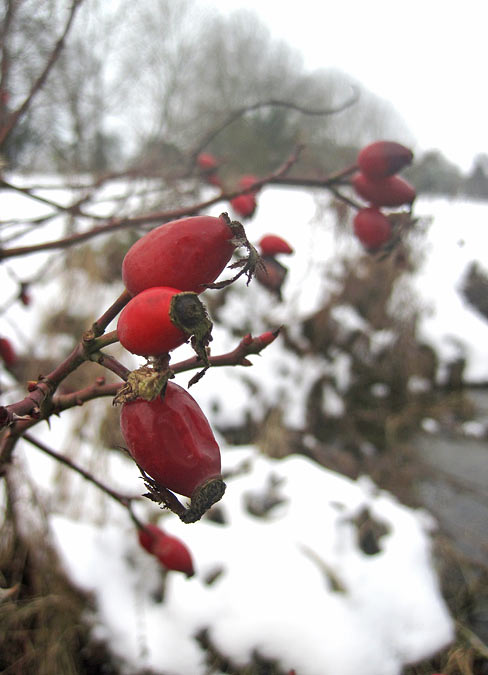
But this year has brought me a new opportunity: the opportunity to try possibly one of the un-loveliest fruits found growing wild in the UK – the humble medlar (pictured above). The fruit of the medlar tree (Mespilus germanica) is a peculiar thing, looking something like a huge brown ‘rosa rugosa’ rosehip, or a very deformed and rotten apple. They bear the distinction of being one of few fruits that must be bletted, i.e. hit by a frost so that they are really on their way to being rotten before they can be counted as ‘ripe’ (or stored for long enough so that bletting takes place naturally). Shakespeare and various other writers clearly didn’t think much of them, the ‘rotten before they’re ripe’ quality put in an appearance in several plays as a metaphor for moral rottenness. Continue reading
How to Sharpen Your Knife or Axe with Ice Bear Waterstones
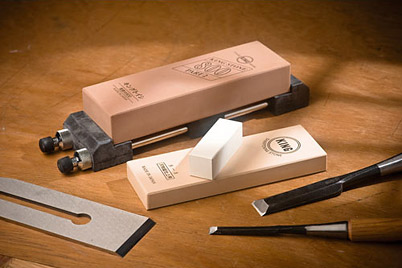
For anyone interested in buying a set of Ice Bear Japanese Waterstones, the following video guides from Ray Mears may prove to be very useful. They’re especially helpful if you are not already familiar with the different techniques involved in using these larger benchstones.
Each video shows Ray using the comprehensive Ice Bear Sharpening Set (which includes both 800 and 2,000 grit stones, a clamp and nagura stone), as well as an additional 1,200 Grit Waterstone.
First up is the Ray Mears guide on how to sharpen your bushcraft knife:
Second is a guide for owners of Gransfors Axes:
Click here to view the full range of Sharpening Tools at Woodlore
Taking Time to Look Closer
The following post was written by Woodlore’s Aspirant Instructor and Quartermaster, Keith Whitehead:
During our many months spent in the field, we have the chance to see much wonderful wildlife and most of it is a joy to behold. There are some exceptions to this rule however, and racing its way to the top of most people’s lists of unwelcome visitors is the humble slug.
At this point you may be expecting me to extol the edible virtues of this creature in order to curry favour for the unpopular pest, but in truth they are best avoided; if you want a meal, put them on a hook and use them as bait. There is more to the average slug than meets the eye though and a recent encounter prompted me to investigate a little further.
A Hangi Making Guide by John van Zanen
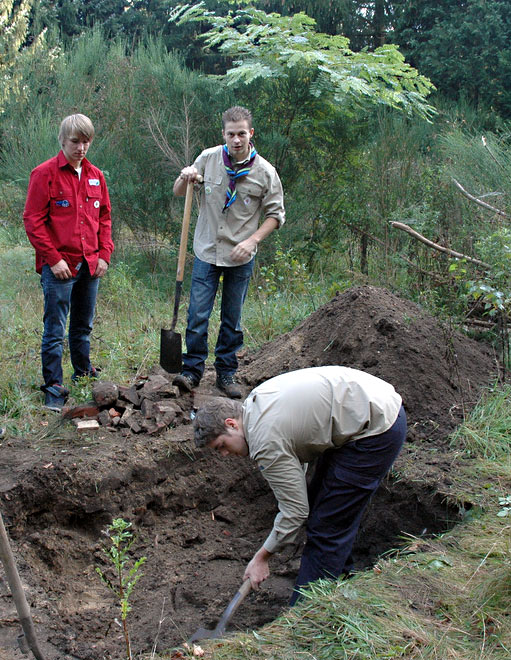
Regular followers of the Woodlore blog may well be familiar with the name John van Zanen thanks to his fantastic hammock-making guide, which we posted on these pages last year. Well, John has been busy once again, this time sharing his enthusiasm and bushcraft skills with a group of scout leaders in his homeland of the Netherlands. Here he shares with us photos and videos of the group working together to create a hangi – a traditional Maori method of cooking food outdoors in a heated pit oven:
Hello Ray and Woodlore Team,
I attended the Woodlore Camp Craft course in 2011 and was challenged by your team to spread the knowledge of bushcraft. Not long after, I spent a few days with a group of scout leaders to teach them some of the skills I have learnt in the past years attending courses with Woodlore.
Each year, scout leaders come together to open the new season and to get new energy and inspiration for the year to come. This year I was invited to join them and teach some bushcraft skills. We talked about quite a few topics, but the highlight of the weekend was surely eating the food from a hangi. Instead of rocks, we used bricks and covered the pit with wet towels, branches and soil. The result was really great and the food tasted fantastic. During the four hours that the food was cooking underground, we all carved a spoon to eat our dinner with.
Ray Mears and BADA-UK Warn of Potential Rise in Tick Numbers
Tick-borne disease charity BADA-UK and its Patron, Ray Mears, are warning both outdoor workers and outdoor-pursuits enthusiasts to be vigilant about a potential increased risk of tick bites this spring. The charity is using its annual awareness campaign Tick Bite Prevention Week (26 March – 1 April) to highlight the health risks that ticks pose, especially following the recent EU ban of the herbicide Asulam.
Asulam was used by hill farmers to control the invasive spread of bracken which provides the perfect habitat for ticks. Ray Mears warns:
The control of bracken is vital to the survival of numerous species of flora and fauna as well as reducing tick populations. The spread of bracken as a result of this ban will lead to increased tick numbers, making it all the more important that the public takes precautions against tick bites when out and about in rural areas.