The Joy of Carving

The following post was written by Senior Assistant Mark Booton:

I am, if I’m being entirely honest, not a natural when it comes to carving. It is one of those Bushcraft skills which I need to work on. The fact that I find it challenging strengthens rather than diminishes my will to improve, and also heightens the enjoyment and satisfaction I feel when I carve something that I can be proud of.

I put down my knife and finish sanding my second Kuksa, a traditional wooden cup crafted by the Sami people of northern Scandinavia (my first attempt didn’t quite turn out as planned – my wife now very kindly refers to it as the ‘olive dish’!). I can remember the pride with which I took home my first carved spoon after attending the Fundamental Bushcraft course back in 2010. The fact that the spoon was not very good (misshapen and not symmetrical!) didn’t matter. I had toiled over it, sweated and bled (a little!), and eventually after several hours of sawing, carving and last-minute sanding produced something that, for all intents and purposes, resembled an eating implement… okay then, a spoon!

A traditional Swedish Kuksa cup

A Kuksa cup carved by Woodlore Senior Assistant Mark Booton

Continue reading

How the Wild West was Won, with Ray Mears – Episode 3 – ‘Deserts’

You can now watch the third and final episode of How the Wild West was Won, with Ray Mears online. Just click on the image below to be taken to the official BBC iPlayer site:

How the Wild West was Won, with Ray Mears - Episode 3, Deserts

For previous episodes and behind-the-scenes photos from this series, please visit the BBC Four How the Wild West was Won homepage.

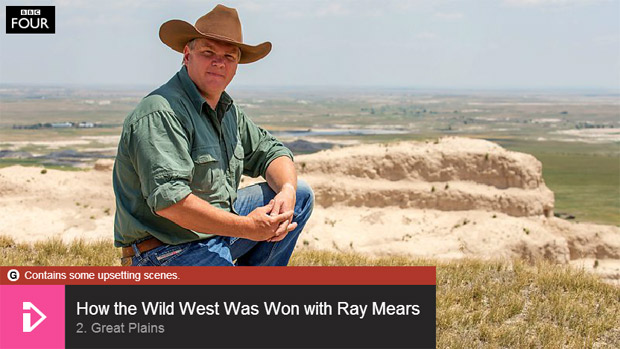
How the Wild West was Won, with Ray Mears – Episode 2 – ‘Great Plains’

You can now watch the second episode of How the Wild West was Won, with Ray Mears online. Just click on the image below to be taken to the official BBC iPlayer site:

How the Wild West was Won, with Ray Mears - Episode 2, Great Plains

The third and final episode will be broadcast on Thursday 5th June at 9:00 PM on BBC4.

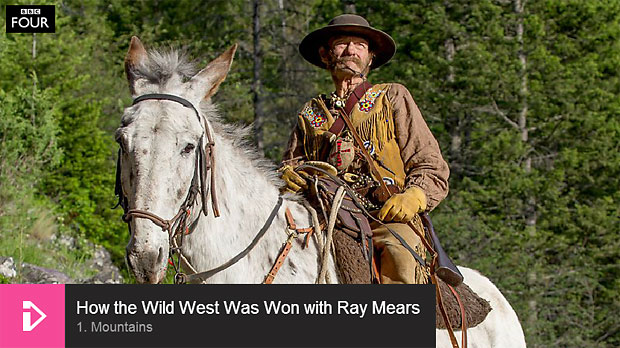
How the Wild West was Won, with Ray Mears – Episode 1 – ‘Mountains’

You can now watch the first episode of How the Wild West was Won, with Ray Mears online. Just click on the image below to be taken to the official BBC iPlayer site:

How the Wild West was Won, with Ray Mears - Episode 1 - 'Mountains'

Episode 2 will be broadcast on Thursday 29th May at 9:00 PM on BBC4.

How the Wild West was Won, with Ray Mears

Ray Mears returns to our screens this May with a brand new series for BBC4. Starting on Thursday 22nd May, How the Wild West was Won, with Ray Mears sees Ray fulfil a childhood dream of exploring this fascinating region of America.

For a glimpse of what’s in store, take a look at the official series teaser below:

For more exclusive clips and behind the scenes photos, visit the BBC4 Wild West homepage.

Broadcast schedule:

  • Episode 1 – Thursday 22nd May, 9:00 PM (BBC4)
  • Episode 2 – Thursday 29th May, 9:00 PM (BBC4)
  • Episode 3 – Thursday 5th June, 9:00 PM (BBC4)

Continue reading

Steve with his 5.11 Rucksack in colder times

Woodlore Review – 5.11 Rush 12 Backpack

Here at Woodlore HQ, we’ve asked the members of our full-time team to pick their favourite courses and kit from our range, to find out just what it is that makes them so good. Company director Steve Gurney picked his 5.11 Rush 12 Backpack:

Steve with his 5.11 Rucksack in colder times

Steve with his 5.11 Rucksack in colder times

I have owned my 5.11 Tactical Rush 12 Backpack for over two years now.  I purchased mine before Woodlore stocked them, but I liked and trusted 5.11 gear so it seemed a sensible choice to go for a 5.11 rucksack.  The Tactical Rush 12 seemed to be just what I was looking for – a discreet, smart, functional and good-sized day sack. Continue reading

The Woodlore Course Season Begins…

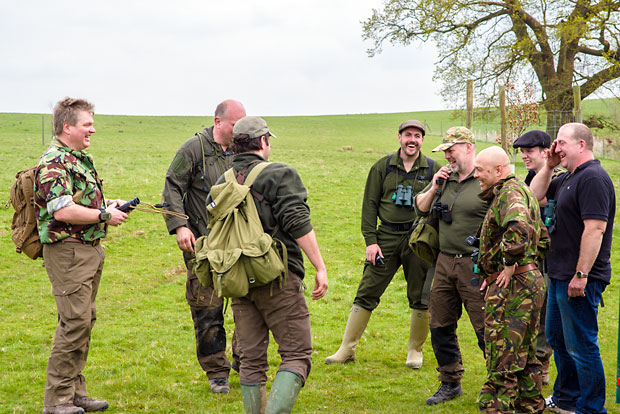
Last week saw the first Woodlore U.K. course of 2014 take place. This year we kicked things off with our Advanced Tracking course, held in the beautiful countryside of East Sussex.

Woodlore Advanced Tracking

A visit from Ray during the Woodlore Advanced Tracking course

Guided by the staff, the clients roamed amongst ancient woodland of oak, beech and yew as they followed the trails left by man and beast. Having completed previous tracking courses with us, this was an opportunity to delve much deeper into the art of tracking, build on their current knowledge and put new skills and techniques to the test in challenging, exciting and realistic scenarios.

Continue reading

Swift Water Training 2014

Water is essential to life, beautiful and extremely hazardous; crossing water is one of the most dangerous undertakings in the outdoor world and the decision to do so must never be taken lightly. Inevitably though, there will come a time when the traveller is left with no choice and it is at these moments that prior experience and training become invaluable.

WASPTAR

Safe crossing depends on the affective assessment of the hazard.

When training our students to make water crossings, we encourage them to use the acronym: WASPTAR – What type of water is it? Will it be cold? Are there other hazards? Is it feasible to attempt?

Continue reading

Woodlore Staff Training 2014

Last weekend at Woodlore there was a fantastic atmosphere and a tremendous enthusiasm for the coming year as our outdoor team assembled for the annual staff training meet. We were blessed with gorgeous weather more reminiscent of June than mid March, which was greatly welcomed by all!

Staff during training

Staff during Woodlore’s pre-season staff training

Continue reading

Fitness isn’t Just for Gym Bunnies

Woodlore Senior Assistant David Southey, trekking near the Devil's Kitchen in Snowdonia

Woodlore Senior Assistant David Southey, trekking near the Devil’s Kitchen in Snowdonia

You’ve skied a full day, flattened out a platform, set up your camp and set off to find, fell, retrieve and process your firewood for the night. Sat in your warm tent drinking a brew, you look over your route for tomorrow, then tea and bed, waking when it’s your shift to stoke the stove.

Fitness enables mental alertness, the capability to make quick decisions, problem solving skills and the ability to cope with fatigue. Physical robustness isn’t just about being the fastest or strongest; it’s one of the keys to the backcountry. Being able to carry out demanding tasks with ease means you’re less likely to make a simple mistake which could have serious consequences for you and those in your charge. Continue reading